

MYND
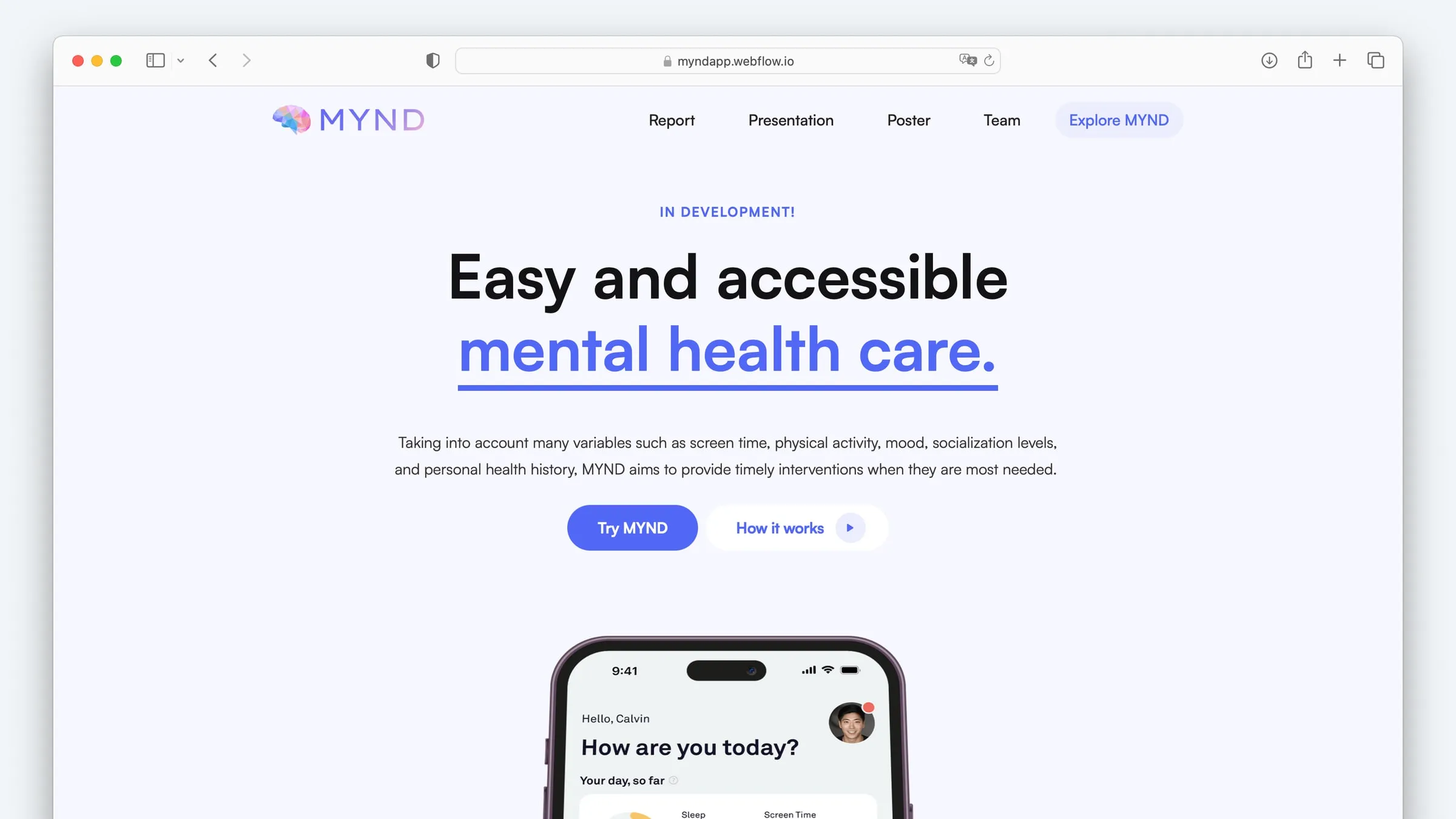
A mental health app that reads behavioral signals and intervenes before a crisis, not after one.
The problem
More than one in five US adults live with mental illness. The barriers our five clinician interviews named weren’t clinical: culture, language, cost, stigma, time, convenience.
The gap isn’t treatment. It’s the distance between needing help and knowing help exists.
We ran a heuristic analysis of Daylio, Bearable, Garmin’s Body Battery and uMore. All four tracked. None intervened. That absence became the product.
What I did
I joined a startup with a mid-fidelity prototype, no cohesive look and no user testing.
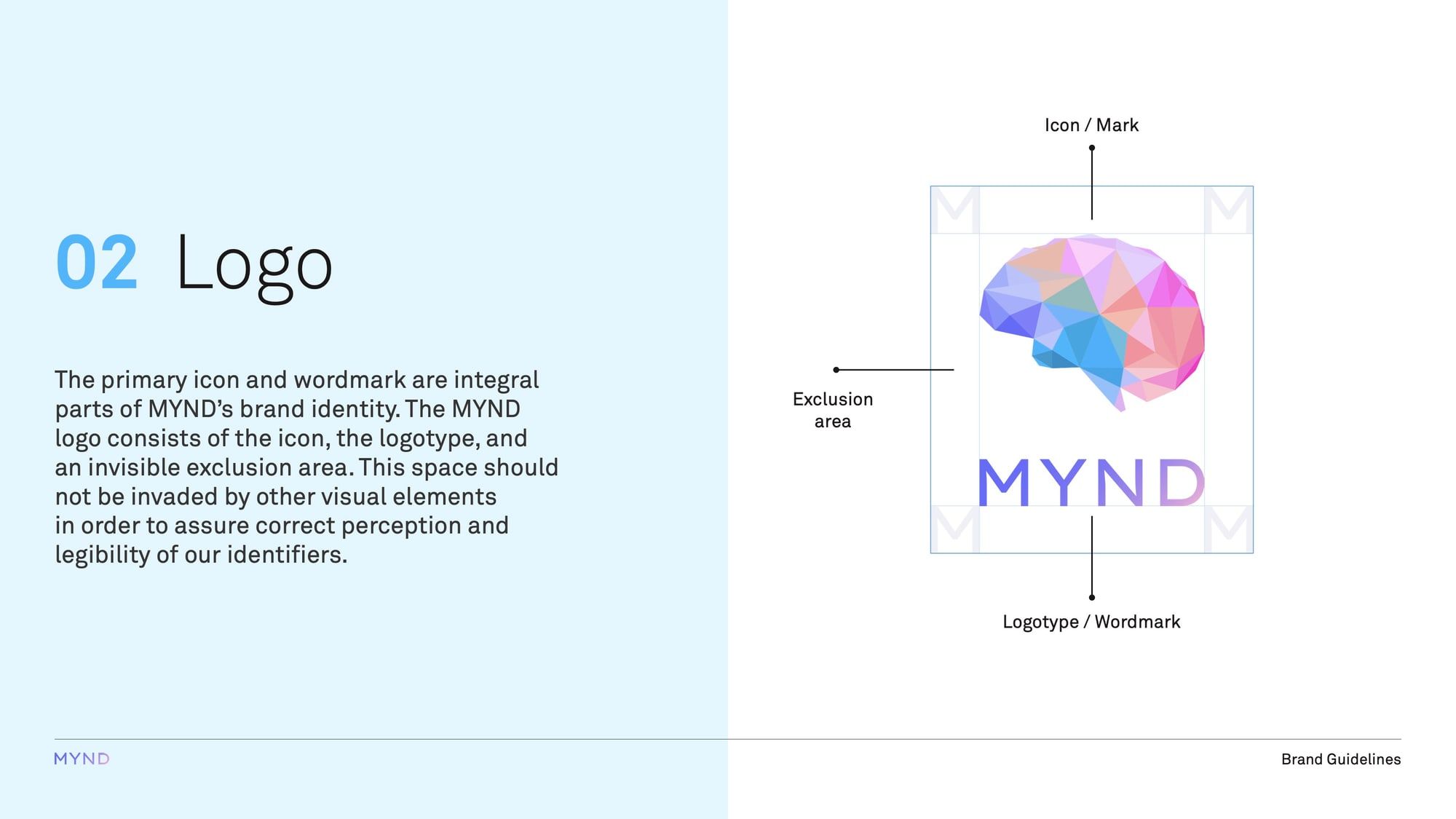
I built the brand and a design system first, so later decisions had somewhere to resolve. Then I rebuilt the app around a single score, from sleep, HRV, steps, location, phone use and mood.
The anonymous survey surfaced coping mechanisms no interview did, including drinking, smoking and staying in bed all day. So the app couldn’t assume someone’s existing methods were healthy.
Two clinicians warned that a phone app contradicts their own advice to cut screen time. So interventions had to be rare and quiet.
That’s why the flow below starts on the lock screen, not in the app. Every step after it is ordered by what it costs you: someone you trust before a professional, a professional before an emergency line.
Walk the flow
Open the Figma prototype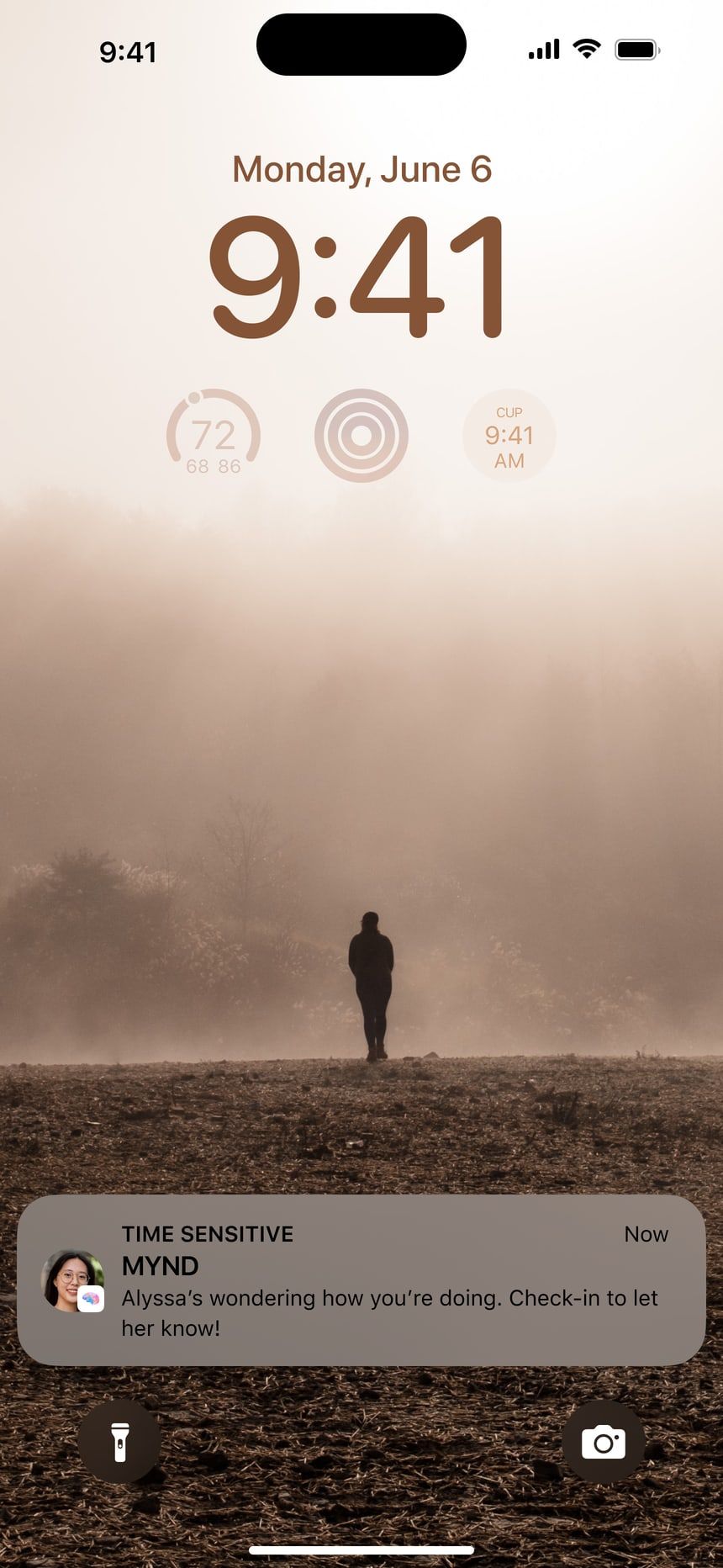
1. The nudge arrives. A time-sensitive notification, not an app you have to remember to open. This one is a friend asking, which is the cheapest intervention there is.
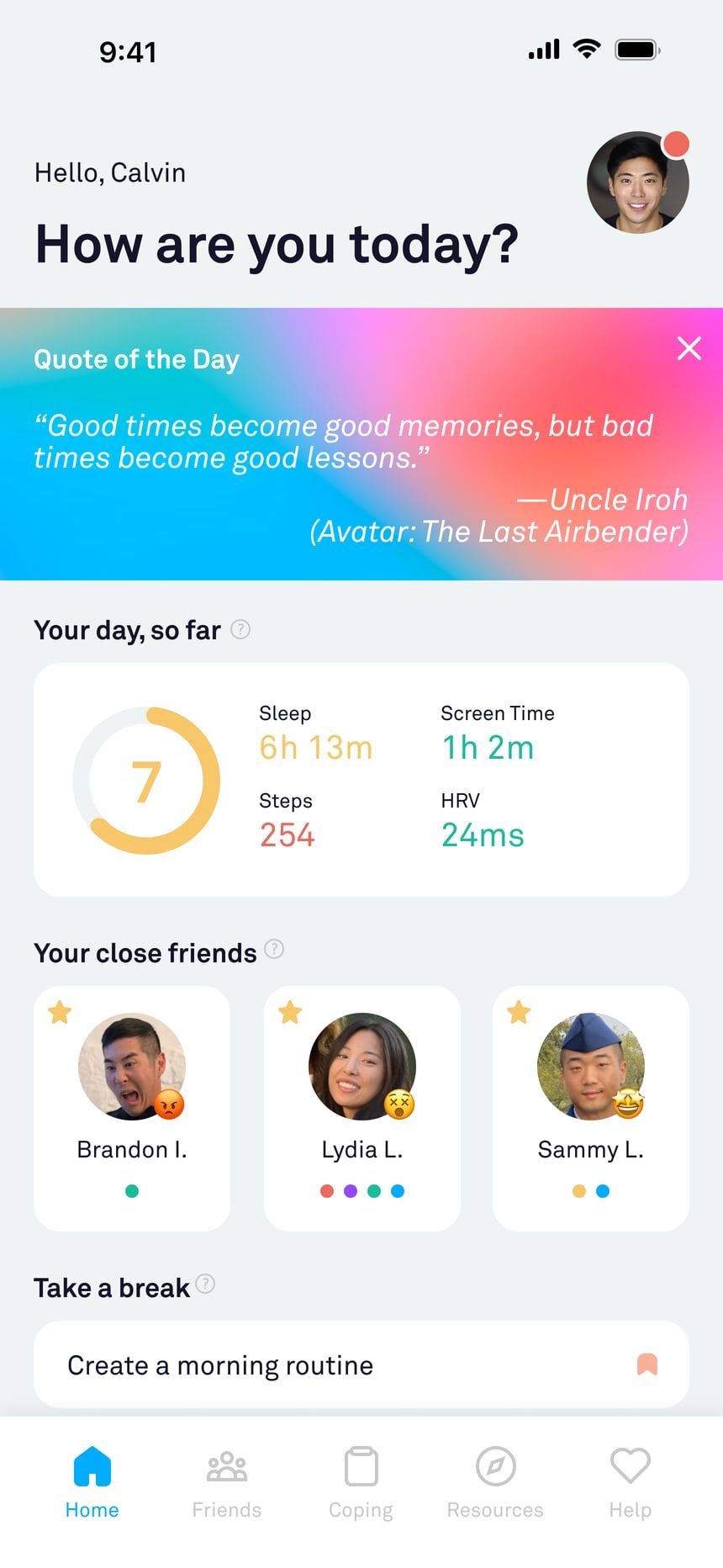
2. One score. Sleep, screen time, steps and heart rate variability resolve into a single ring. A number you read in a second, not a dashboard you study.
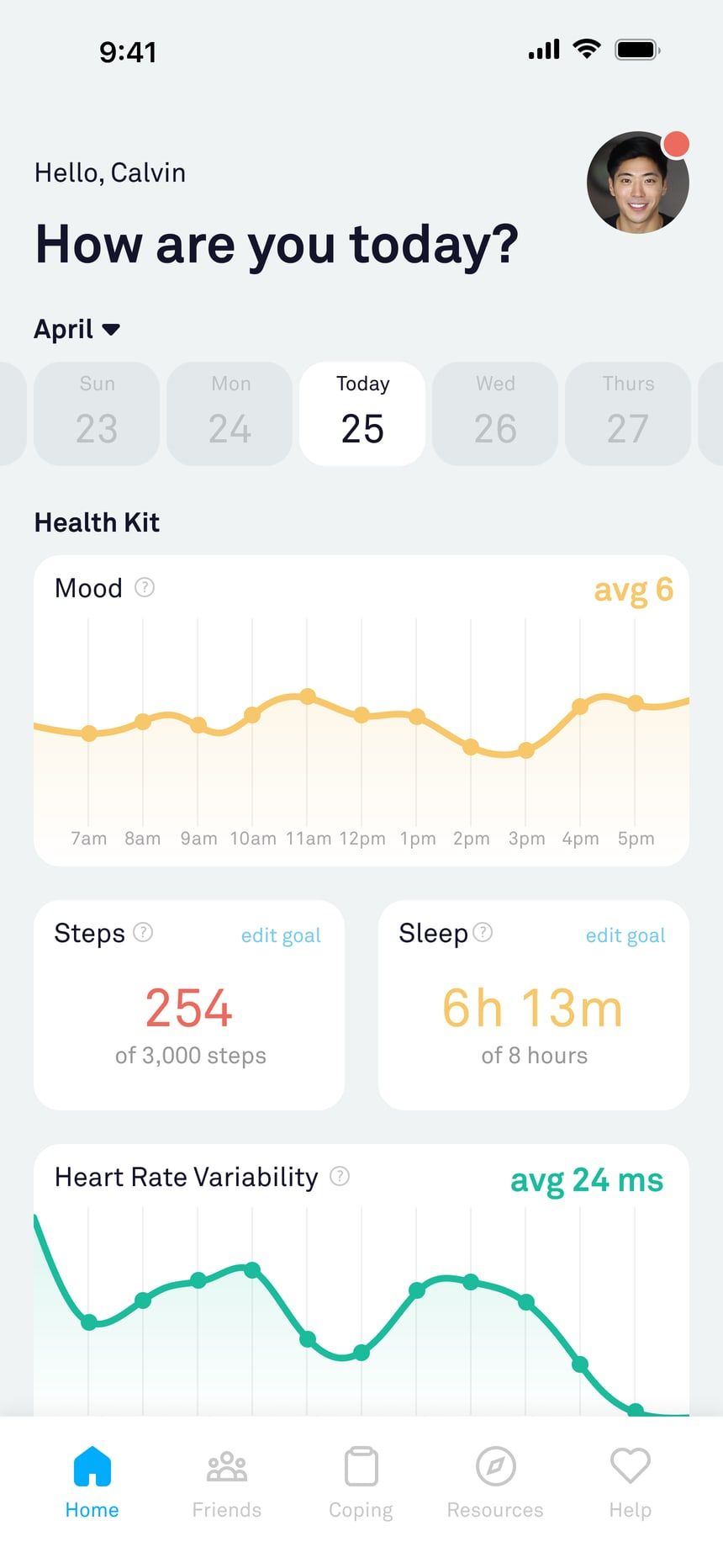
3. The signals behind it. One tap from the ring. Mood, steps, sleep and HRV over time, so the score is auditable rather than a black box.
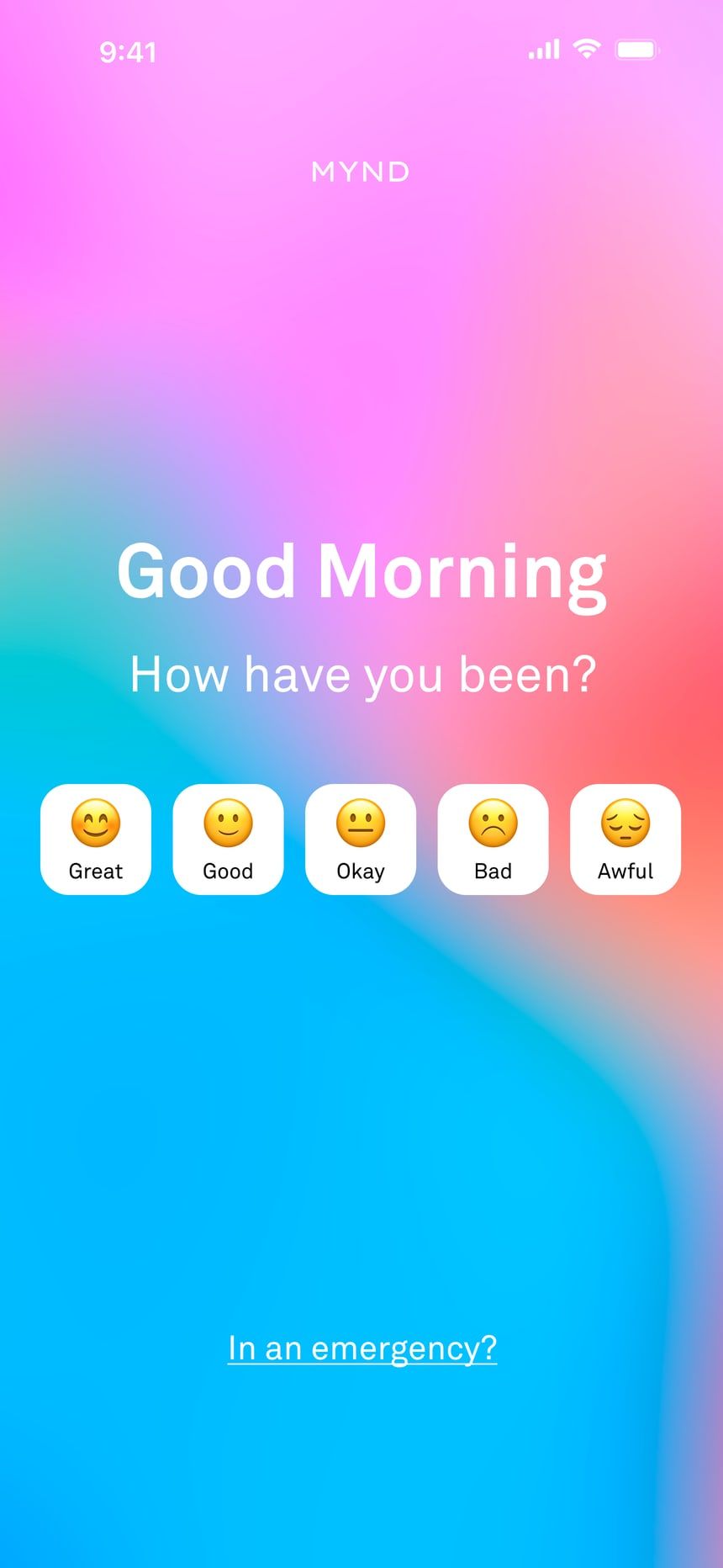
4. It asks before it acts. A low score is a hypothesis. The check-in validates it against how you actually feel before anything is recommended.
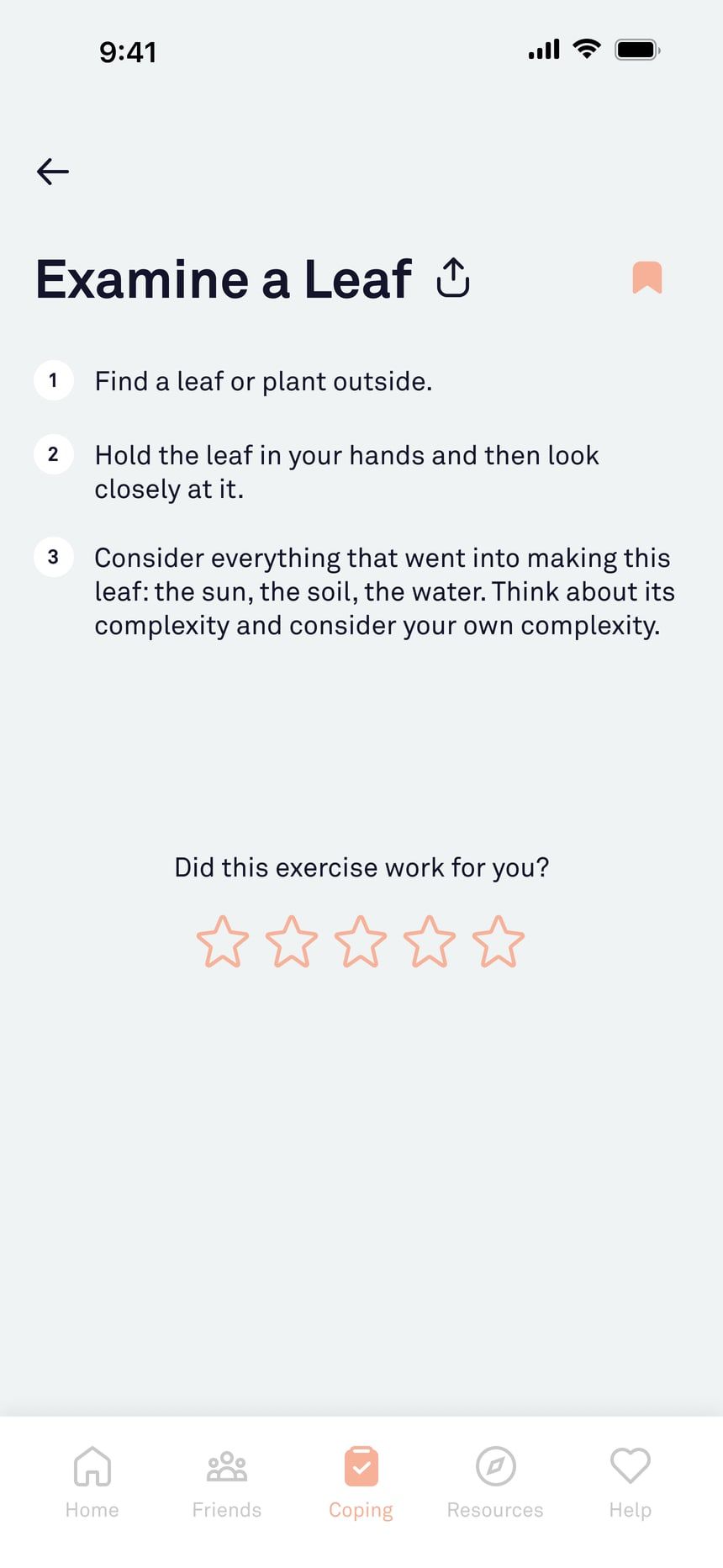
5. A low-risk intervention. Specific and finishable, then rated. The rating is what lets the app learn which mechanisms work for this person instead of guessing.
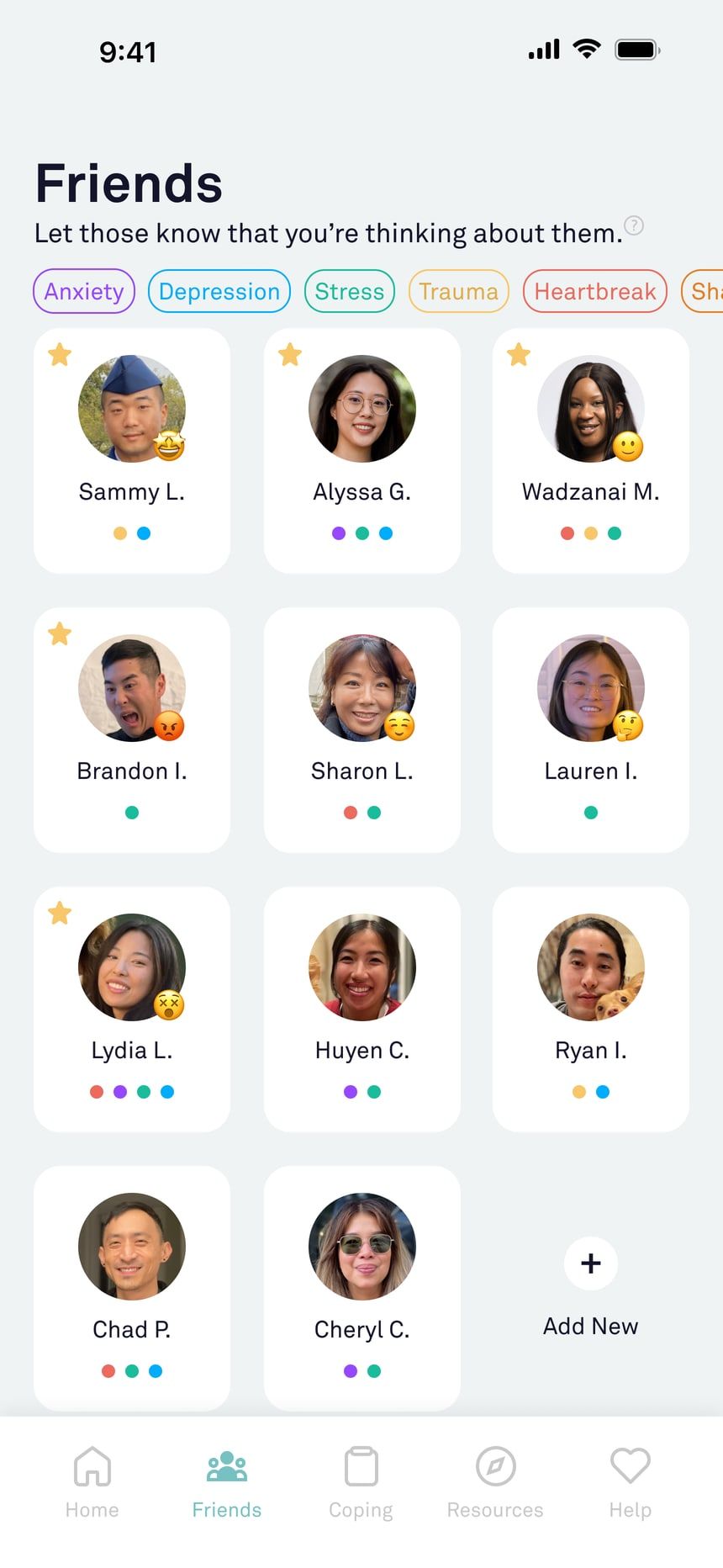
6. Or a person. Contacts filterable by what each is willing to talk about, so reaching out costs one tap and no explanation.
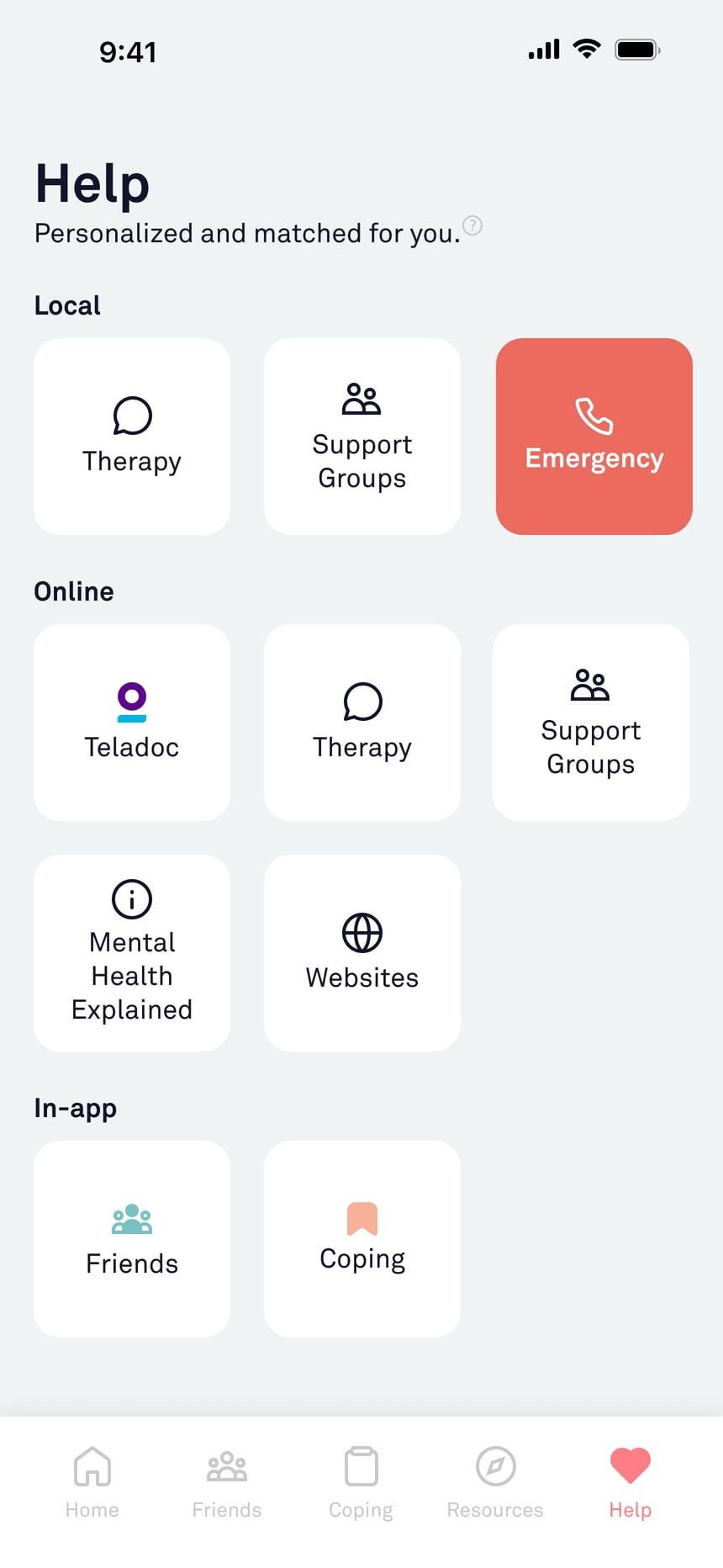
7. Escalation, by cost. Local support, then online, then in-app. Grouped so the cheapest option is the first one you see.
8. The last resort, last. 988 and emergency services are reachable in two taps but are never the first thing offered.
Outcome
MYND won the Dr. James R. Chen Award for outstanding MIMS final project, then carried on into Berkeley SkyDeck’s Pad-13.
The research numbers are modest: 21 survey responses, nine interviews, five clinicians.
The explainer video is the one I filmed and cut, and the project page carries the full team. The rest of the graduate work is in UC Berkeley.
Written up by

Berkeley I School · Jun 2, 2023
Master’s Project Empowers Users To Be Proactive About Mental Health
Photo: Noah Berger for the UC Berkeley School of Information
More work
All work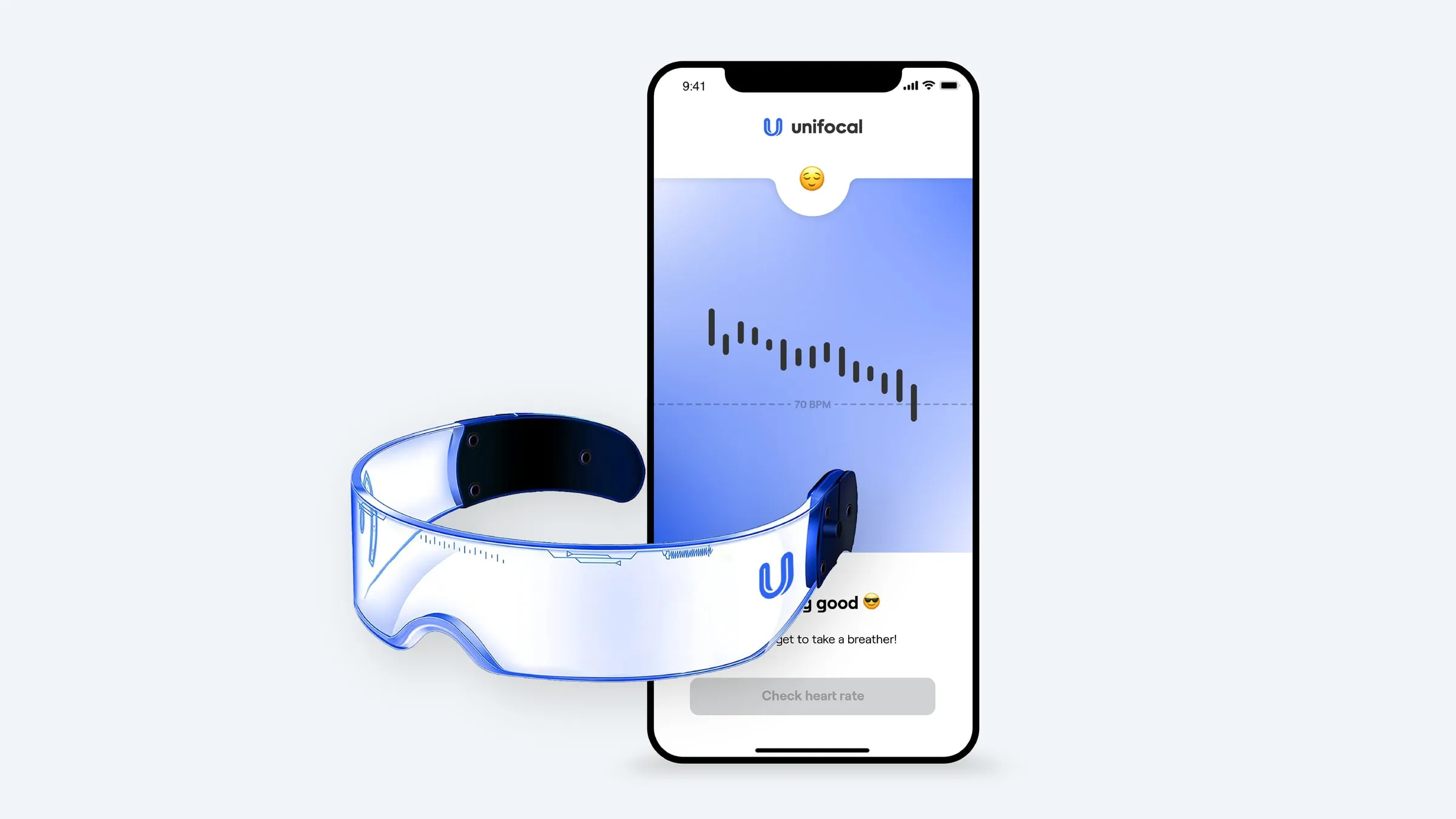 ProductGraduate school
UC Berkeley
Two years at Berkeley: a stress-sensing wearable, a type study, and an alphabet built out of a tangerine.
 ProductGraduate coursework
Fyle
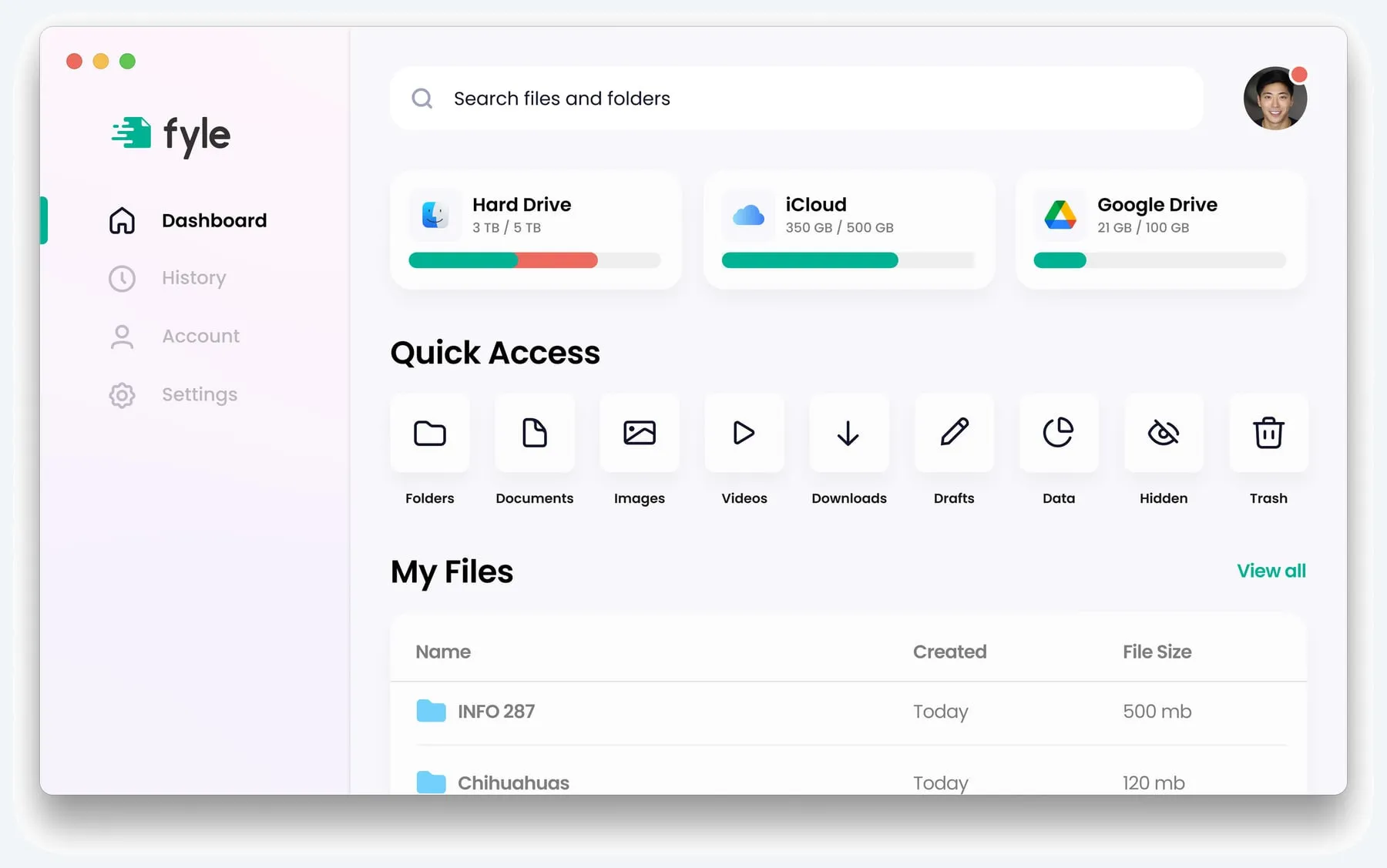
A Mac app concept that names and sorts your downloads for you, from a graduate venture course.
 ProductApple
Operations: Global Sourcing
An AI assistant designed so its output is trustworthy enough to act on without redoing the work yourself.