

Oregon DMV
A government site redesign where the task with a deadline was buried, and the fallback was standing in line.
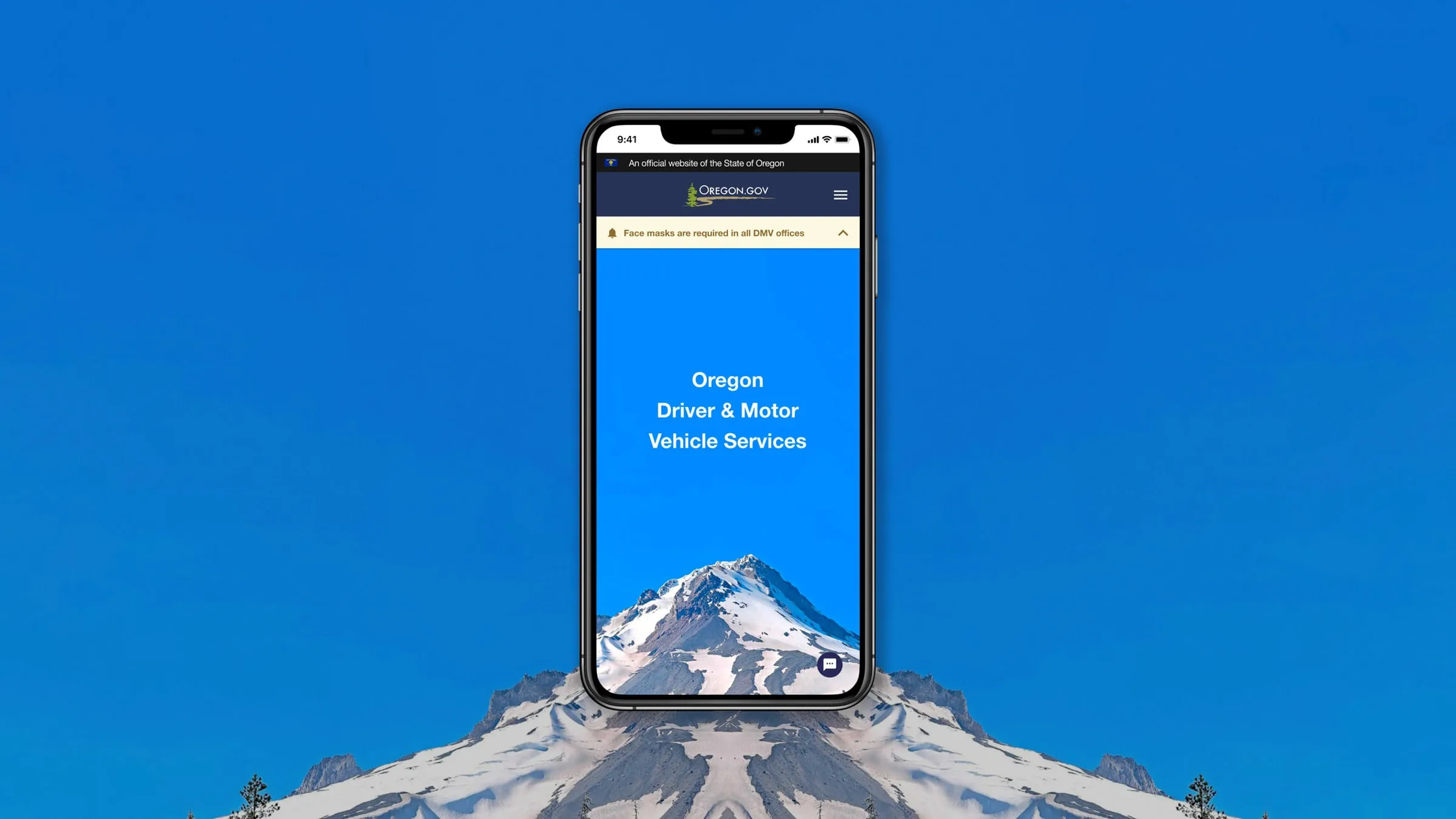
The problem
Nobody browses a DMV website. People arrive with one errand, and when the site fails them the fallback is a field office. That costs the visitor a morning and the agency a counter.
In 2021 the errand with a clock on it was REAL ID. Federal enforcement had moved to May 3, 2023, and anyone who wanted to keep flying domestic on a driver license had to apply before then.
So the brief had three goals, and only one was about looking better. Make the site usable. Get more REAL ID applications finished. Move routine transactions online, so fewer people need the counter at all.
What I did
I ran the double diamond properly, which mostly meant spending the first half not designing.
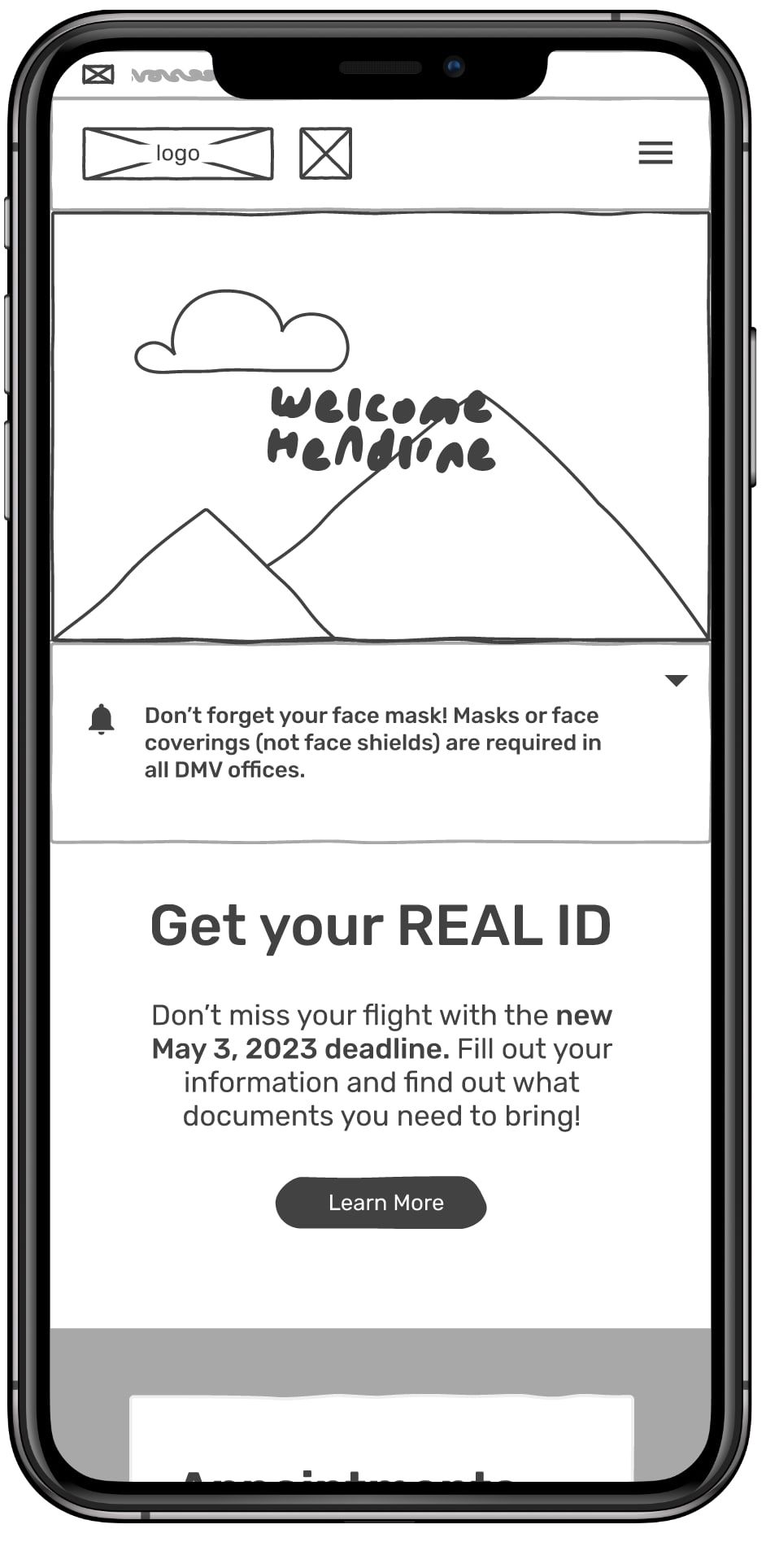
The decision I’d still defend is in the wireframe below. Get your REAL ID, deadline in the first sentence, sits immediately under the masthead, ahead of everything else an agency might want to say.
That was settled at low fidelity, before any visual design existed. Where a task ranks is a question about priority, not appearance.
Testing, feedback and critique came next. The finished screens came last.
The hardest constraint was the one I didn’t pick. A government site arrives with brand rules attached, so every improvement had to happen inside them.
Outcome
A tested prototype, and a concept. Nothing was commissioned and nothing shipped, which is what coursework means.
The low-fidelity prototype is still open if you want to walk it. The other course project from that year is Zeniversity, and the rest is in UC Berkeley.
More work
All work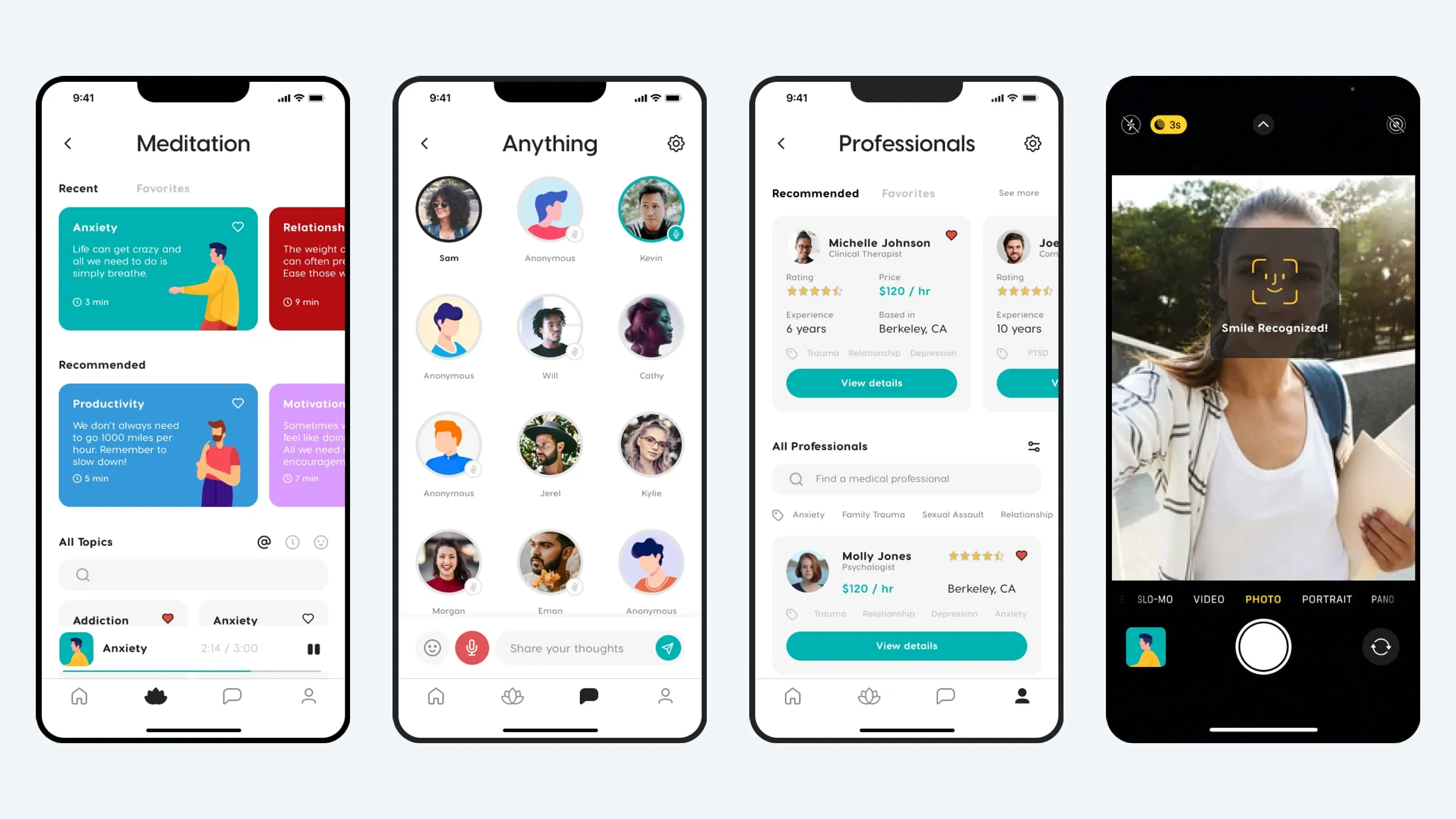 ProductGraduate coursework
Zeniversity
A meditation app for students who were not looking after their own mental health, me included.
 ProductGraduate school
UC Berkeley
Two years at Berkeley: a stress-sensing wearable, a type study, and an alphabet built out of a tangerine.
 ProductApple
Operations: Global Sourcing
An AI assistant designed so its output is trustworthy enough to act on without redoing the work yourself.